Vintage Bike Graphics for Crafts and Creative Projects
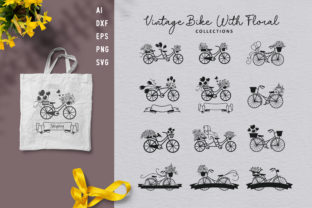
As a digital publisher with years of experience in blog design and content marketing, I recently came across the Vintage Bike graphic design asset. This digital file bundle is tailored for cutting machines like Silhouette Studio DE, Cricut Design Space, Make the Cut, and others. It’s ideal for those who need printable designs that can be cut or printed using vinyl cutters, laser cutters, or standard printers. The Vintage Bike offers a nostalgic charm that blends well with editorial content and creative projects.
A Nostalgic Touch for Lifestyle and Educational Content
The first impression of the Vintage Bike is its ability to evoke a sense of nostalgia and lifestyle appeal. Its design feels playful yet artistic, making it suitable for niche content areas such as retro living, vintage hobbies, or educational resources on historical transportation. This makes it an excellent fit for bloggers focusing on lifestyle, travel, or even children's learning materials.
The Vintage Bike has a clean, decorative style that doesn’t overwhelm the viewer but adds visual interest. It can subtly enhance the mood of a page without distracting from the main message. For instance, it could be used as a background element in a digital guide or as an accent in a blog post about sustainable travel.
Real Publishing Workflow: How to Use Vintage Bike Effectively
In real publishing workflows, the Vintage Bike can serve multiple purposes. As a blogger preparing featured images for a content website, this graphic could be used as a Pinterest pin, a blog header, or even a downloadable resource. Its versatility makes it a valuable addition to any designer’s toolkit.
For example, when creating a digital guide on cycling history, the Vintage Bike can be placed at the top of the page as a hero image, instantly drawing attention and setting the tone. In newsletter banners or social media previews, it can help reinforce brand identity while maintaining a cohesive look across platforms.
This graphic also works well as part of editorial layouts. When paired with text-heavy content, it can break up the monotony and provide visual relief. It can be used as a category thumbnail for a blog section focused on retro themes or as a lead magnet to entice readers to download a printable design related to vintage bikes.
Boosting Content Performance with Visual Appeal
Using the Vintage Bike in your content can significantly improve performance metrics. A stronger first impression is crucial for engaging readers, and this graphic helps achieve that by adding a touch of personality to your web pages. It contributes to clearer visual hierarchy, making important elements stand out more effectively.
Additionally, the Vintage Bike supports better click-through potential, especially when used in social media graphics or Pinterest pins. Its consistent use across different content types helps build stronger brand recognition and trust among your audience. By incorporating this design into your content strategy, you can elevate the overall professionalism of your site and create a more visually appealing experience for users.
Where Vintage Bike Works Best in Publishing
The Vintage Bike shines in several key publishing areas. It excels as a hero image on landing pages, article thumbnails for blog posts, and as a Pinterest pin that stands out in a sea of generic visuals. It can also enhance editorial accents within content layouts, making them more engaging and dynamic.
When used in downloadable resources like digital guides, worksheets, or eBook covers, the Vintage Bike adds a unique flair that sets your content apart. It’s also effective in newsletter headers, where it can introduce a new theme or campaign with visual impact. Social media previews benefit from this design, helping to increase engagement and shares.
Use with Caution: Where Vintage Bike Might Not Fit
While the Vintage Bike is versatile, there are situations where it might not be the best choice. Small mobile thumbnails may not display the full detail of the design, so it’s essential to test how it looks on various screen sizes. On text-heavy blog images, it could become a distraction if not balanced properly.
Low-contrast backgrounds or busy layouts may also make the Vintage Bike less effective. It’s not ideal for serious professional niches or corporate content that requires a very minimal visual system. However, for creative projects, lifestyle blogs, or niche educational content, it can be a powerful tool.
Practical Publisher Notes for Using Vintage Bike
To ensure optimal results, test the Vintage Bike on both desktop and mobile screens. Check how it appears as a thumbnail and preview it inside a real blog layout. Test it with headline text to see how it interacts with different fonts and styles.
Pay close attention to contrast and readability, and try it in black and white to assess its effectiveness without color. Place it beside different font styles—serif, sans serif, script, handwritten, and display—to see what combination works best.
Review the file size for web performance and compress images properly if needed. Finally, confirm that the Vintage Bike comes with a commercial license before using it on monetized websites, affiliate pages, or paid content products. This ensures compliance and avoids any legal issues down the line.
Enhancing Brand Identity with Vintage Bike
As a graphic design asset, the Vintage Bike supports creative design and commercial design needs. Whether you're building a brand for a small business or enhancing your digital marketing efforts, this design can add a unique touch to your content. It aligns well with modern design principles while offering a nostalgic feel that resonates with many audiences.
By integrating the Vintage Bike into your editorial design and web design strategies, you can elevate your brand identity and create more visually compelling content. From blog graphics to Canva templates, this asset offers a wide range of possibilities for creative expression and content marketing success.